
The complete guide
Buying Guide
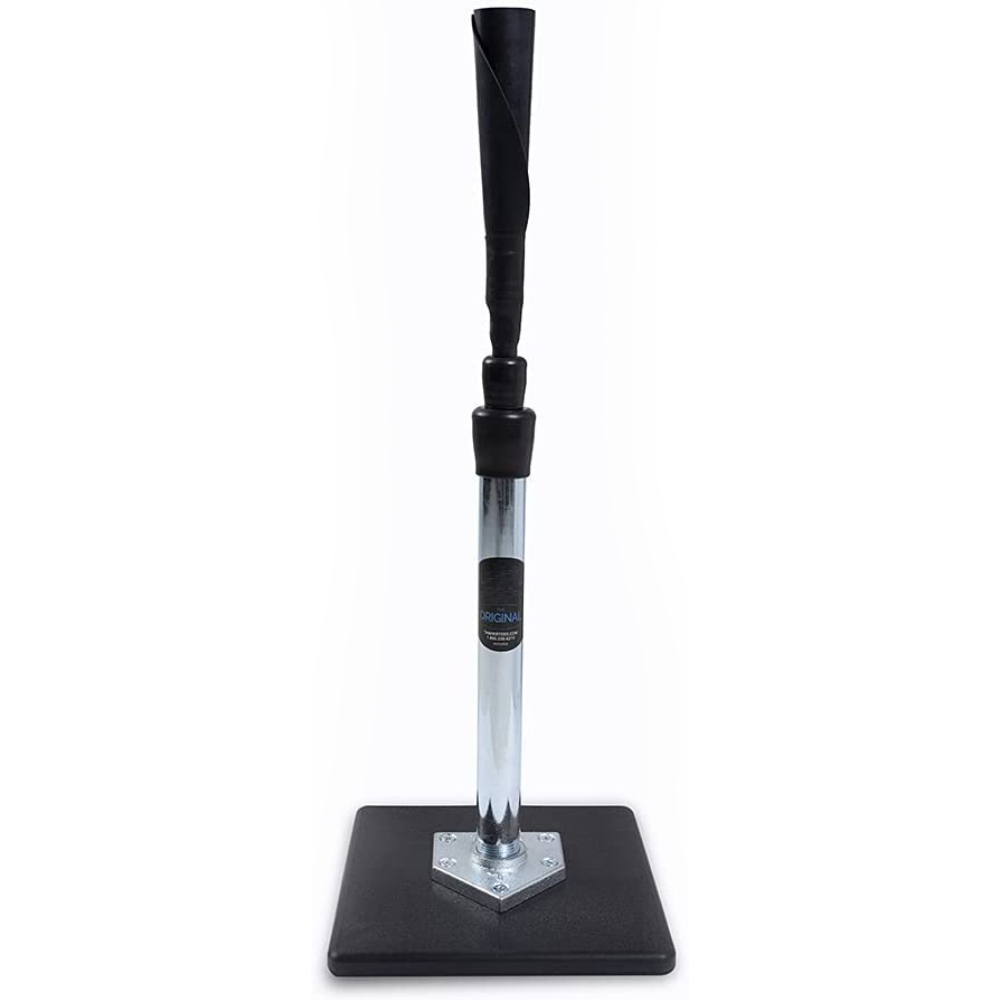
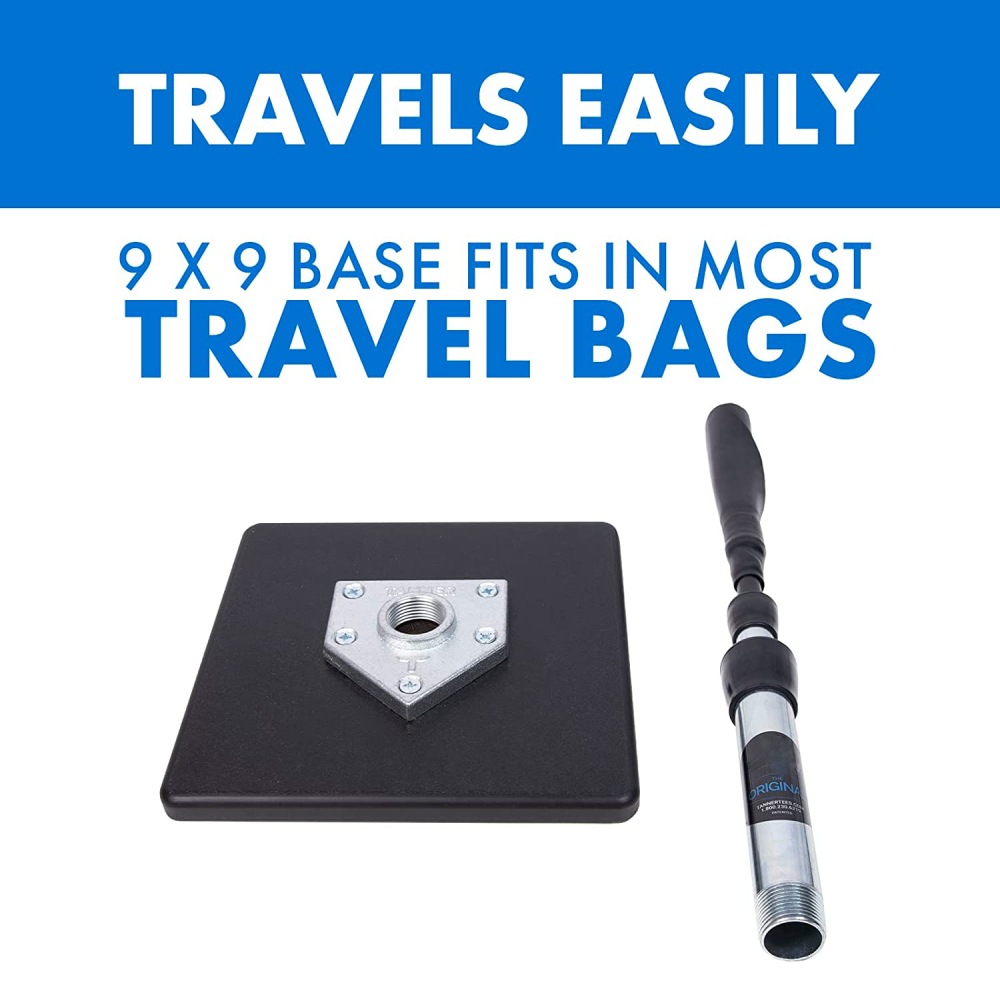
The most popular and universal batting tee comprised of two parts: an adjustable metal stem and a 22.86cm weather-resistant base
The Baseball Tee is a sturdy metal design that works well with baseballs, softballs, or training balls.
Its one-handed height adjustments make it ideal for every level of baseball and softball batting practice. The Baseball Tee can easily fit in most bat bags and is portable.
Product Description
- Item Weight: 2.7 kg
- Colour: Black
- Material: Composite
- Suggested Users: Unisex
- Style: Batting Tee
- Included Components: Adjustable Tee stem with base
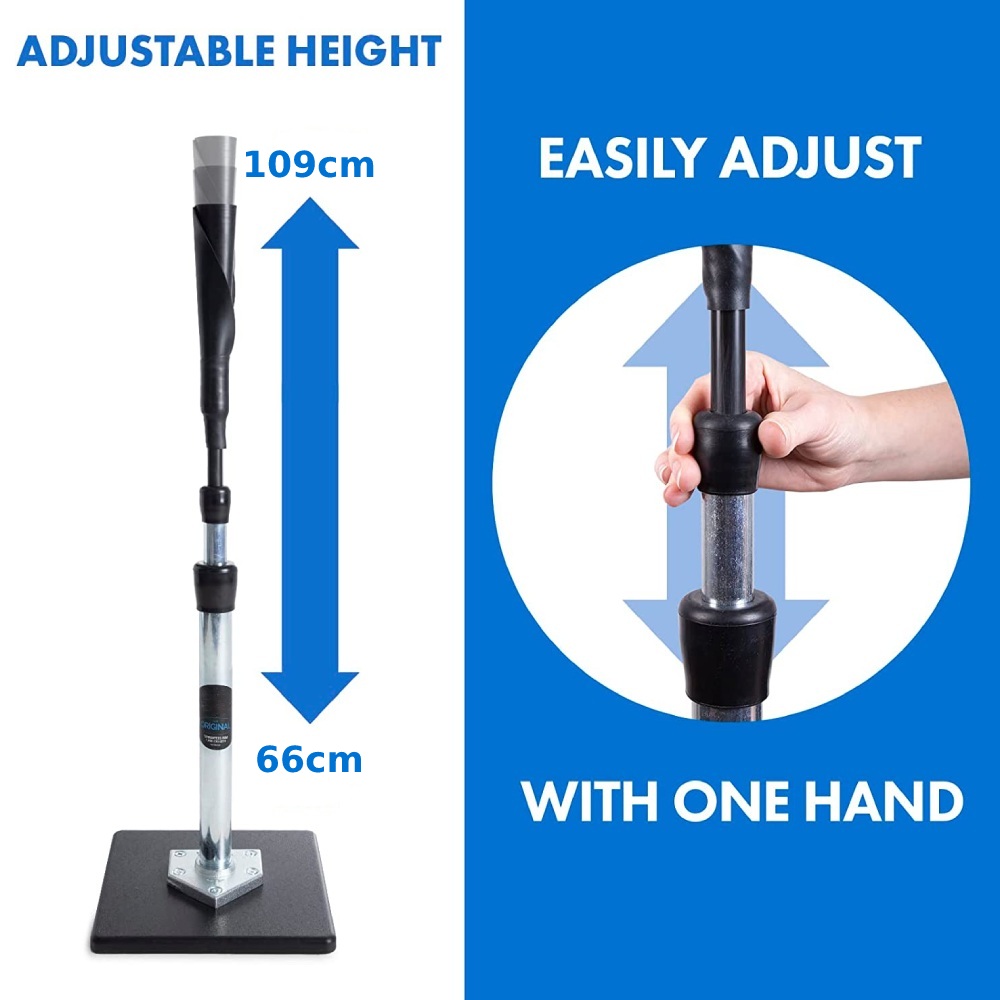
- Size Adjustable Height: 66cm - 109cm
- Sport Type: Baseball, Slow Pitch Softball, Softball


Customer Service
For any questions regarding our products or for assistance with your order, please email and you will receive a response within 1 business day. Or use our customer website AI Bot for instant assistance
Email: theteam@sportswarehouse.store
Shipping
Shipping time varies by location.
USA up to 7 working days * (This doesn’t include our 2 working day handling time & processing time)
You will receive an email with a tracking number once your order is shipped. For logistical reasons, items in the same purchase may be sent in separate packages.
Returns Policy
Contact us within 15 days of purchase to arrange a return. Keep the item in its original packaging and retain your proof of purchase. For change-of-mind returns, a $39 packing and handling fee and tracked return postage apply. We cover return postage for damaged or incorrect items. Refunds are processed within 24 to 48 hours after the returned item is received. Your applicable consumer rights are unaffected.
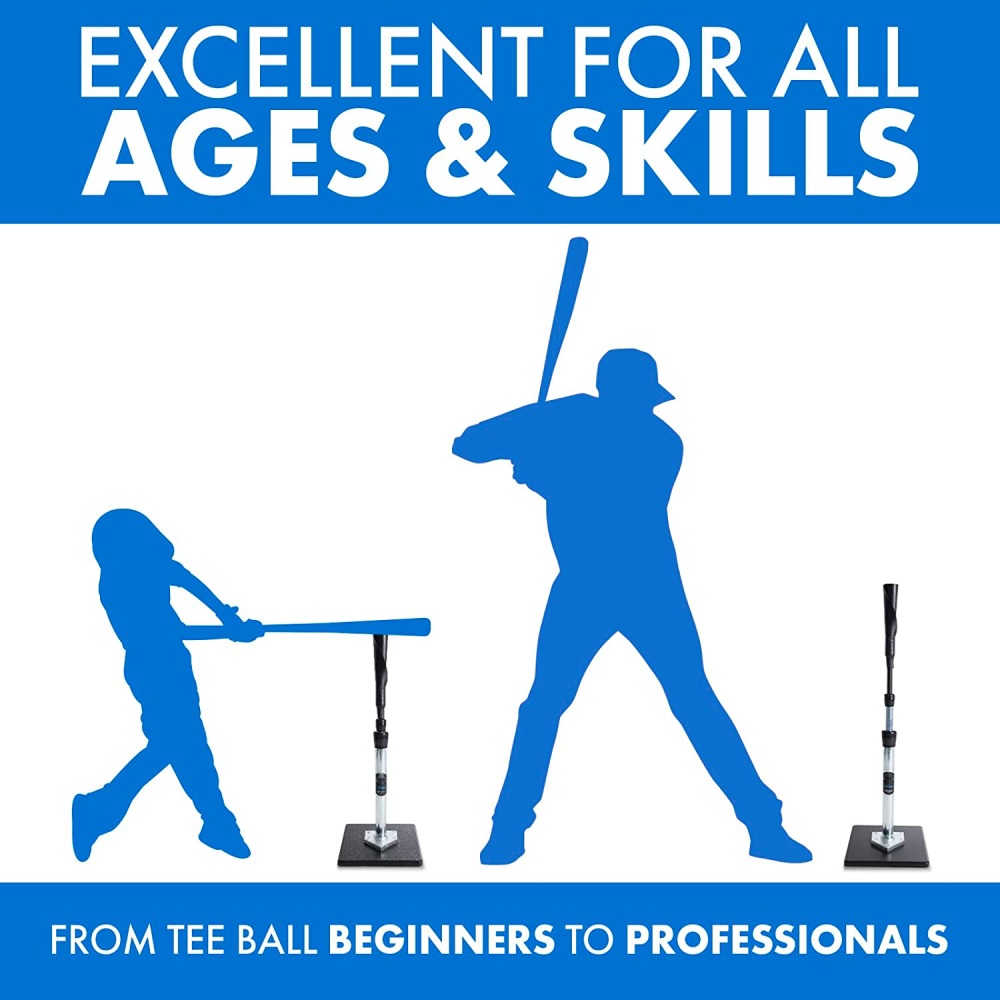
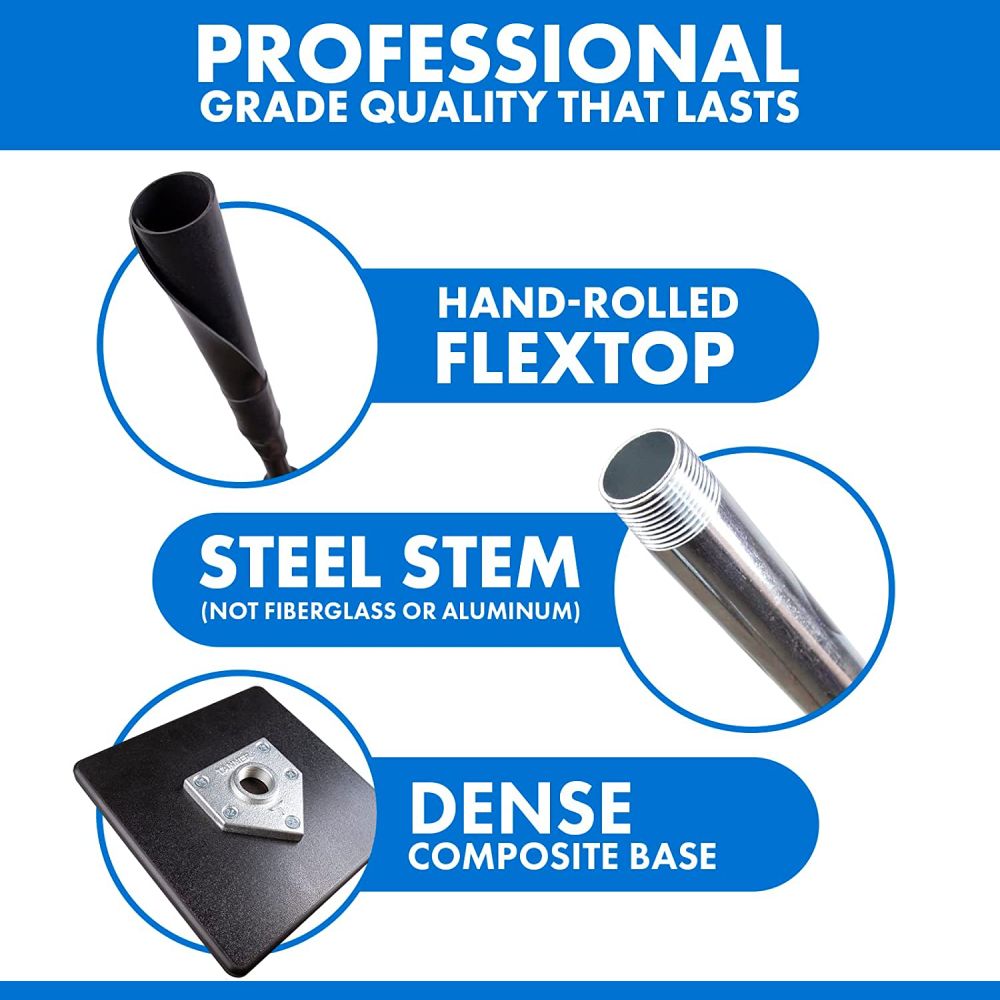
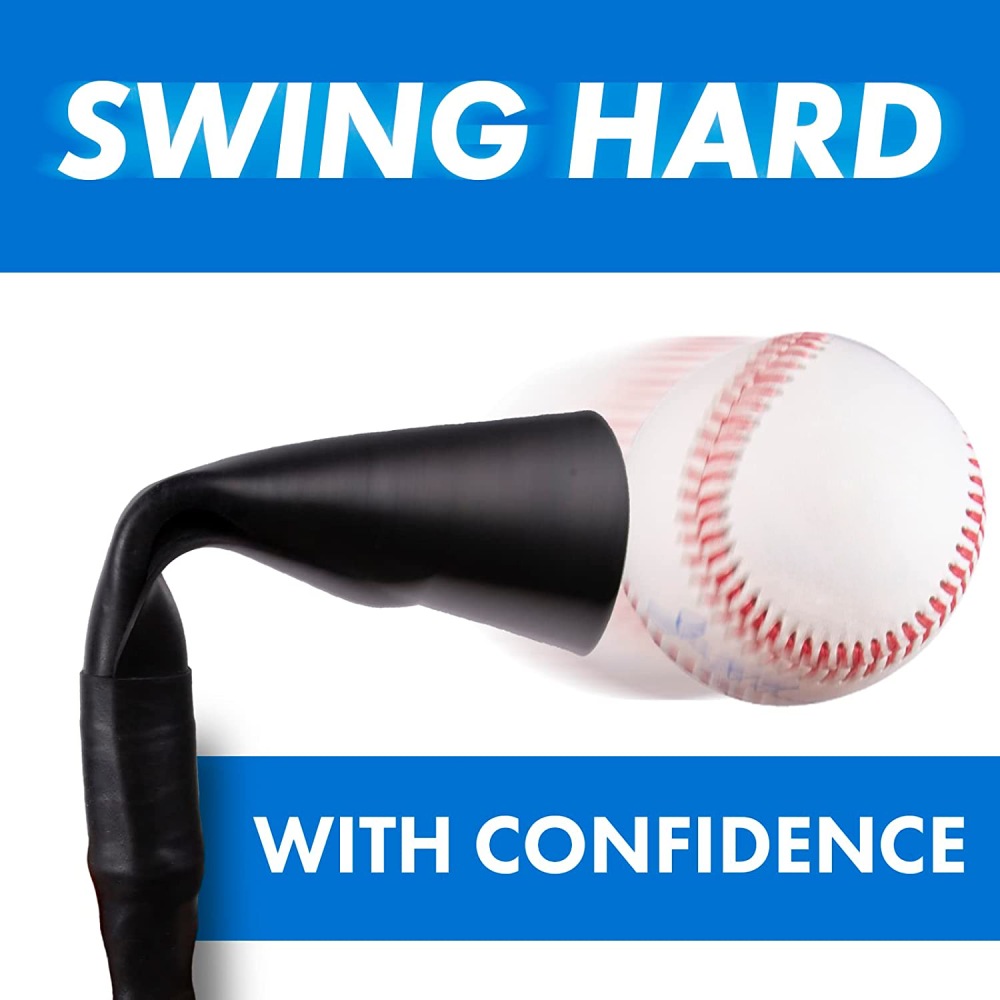
Numerous home hitters, elite college and high school baseball programs, and players at all levels of professional baseball all use baseball tees. With the FlexTop ball rest, your bat may travel through the contact point with the least amount of obstruction, preventing damage from rigid tee tops. Similar tees come in a range of pricing ranges and characteristics. A plastic baseball tee is less expensive, but keep in mind that a metal bat will make rapid contact with it. Quality parts and workmanship matters!
EASY ADJUSTABLE HEIGHT ADJUSTMENT
For children and adults, the height can be easily adjusted with one hand from 66 to 109 cm.
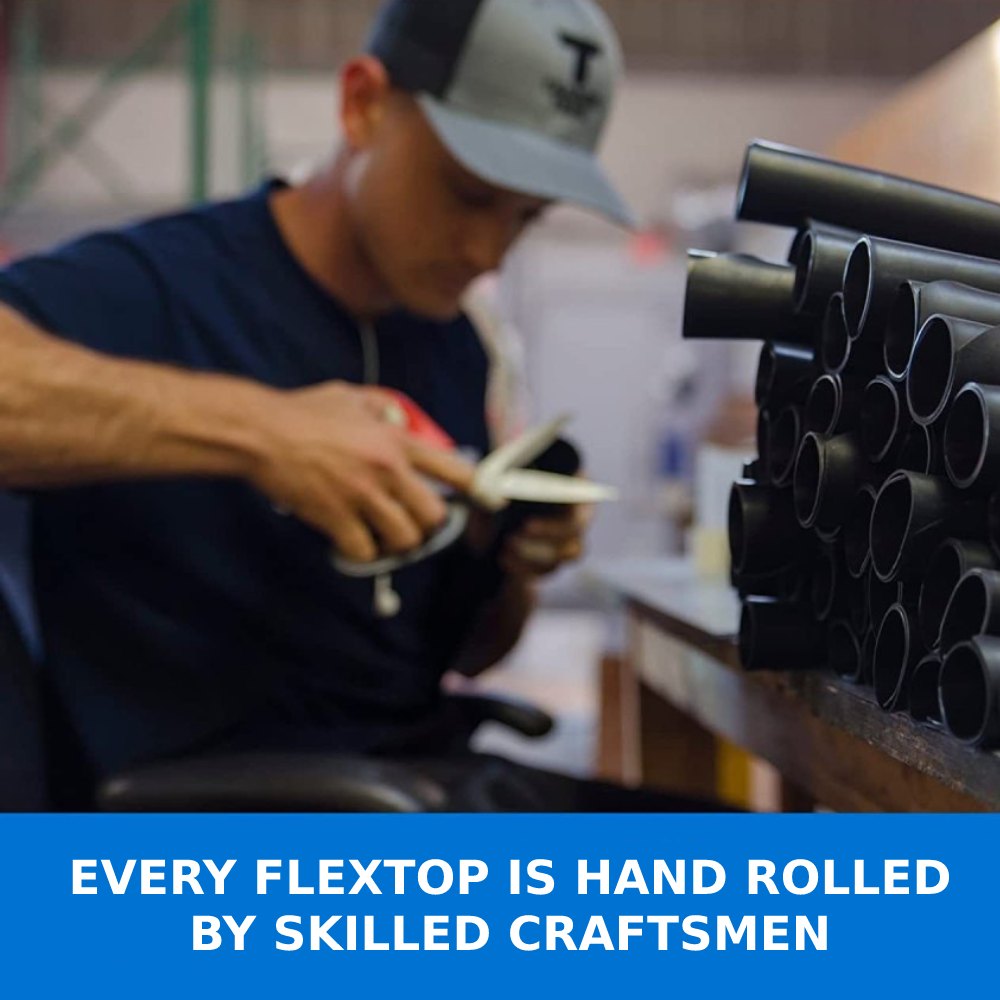
HAND-ROLLED FLEXTOP
For the most authentic striking experience while practicing off the baseball tee, hand-rolled rubber Flextop enables you to feel the ball at contact rather than the tee.
BALL PRESENTATION & VISIBILITY
Baseballs and softballs sit high on the tee so that players can create line drives by making contact with the proper part of the ball without ever feeling the baseball tee.

 Frequently Asked Questions

Batting Tee: The Essential Guide to Tee Ball Batting and Choosing the Right T Ball Tee
If you asked a hundred professional baseball players to name the single most important training tool they have used throughout their careers, the batting tee would appear on nearly every list. It is the first piece of equipment most hitters ever use, and it is the last thing many of them hit off before stepping into the batter's box at the highest level. The batting tee bridges every stage of development, from a five year old learning tee ball batting for the first time to a seasoned professional refining their swing mechanics in the cage.
This guide explores everything you need to know about the batting tee as both a piece of youth equipment and a lifelong training tool. Whether you are a parent shopping for a t ball tee for your child's first season or a competitive player looking for a durable practice tee that can handle thousands of swings, the information here helps you understand what matters, what to look for, and how to get the most value from this deceptively simple piece of equipment.
Why the Batting Tee Is the Most Valuable Training Tool in Baseball
The batting tee succeeds where more complex training tools often fall short because it isolates the swing as the sole variable. When a ball is pitched, whether by a machine, a coach, or an opponent, the hitter must simultaneously time the pitch, track the ball, and execute their swing. A batting tee removes timing and tracking from the equation entirely, allowing the hitter to focus exclusively on the quality of their swing mechanics.
This isolation is precisely what makes tee ball batting so effective for young players and what makes the batting tee indispensable for experienced hitters working on specific adjustments. A child learning to hit for the first time needs to feel what solid contact is like without the added pressure of a moving ball. An advanced player adjusting their launch angle or hand path needs to repeat the same swing hundreds of times against a stationary target. In both cases, the t ball tee provides the consistent, repeatable platform that makes focused improvement possible.
The Batting Tee in Professional Training
Walk into any professional batting cage before a game and you will see batting tees positioned at various heights and locations across the plate. Elite hitters use the tee to warm up their swing, reinforce feel, and work on specific pitch locations. Inside pitches, outside pitches, high strikes, and low strikes all require slightly different swing paths, and the batting tee lets hitters isolate and rehearse each one with precision.
This professional endorsement of the batting tee validates what youth coaches have known for decades: tee ball batting is not a simplified version of hitting that players outgrow. It is the foundational training method that underpins good hitting at every level. A quality t ball tee is not something your child uses for one season and discards. It is a tool that remains relevant for as long as they play the game.
Understanding the Different Types of Batting Tees
Not all batting tees are built the same. The market offers a range of designs, from basic entry-level models to professional-grade training tools. Understanding the categories helps you choose a t ball tee that matches your needs and lasts as long as you need it to.
Basic Rubber Batting Tees
The most recognisable batting tee design features a rubber cone sitting on top of a rigid tube attached to a base, often a rubber home plate. This classic design has been used in tee ball batting for generations and continues to serve as the standard t ball tee for youth leagues and backyard practice. The rubber cone flexes on contact, allowing the bat to sweep through without jarring resistance, and springs back into position for the next swing.
Basic rubber batting tees are functional, widely available, and suitable for casual tee ball batting and introductory youth play. Their limitations become apparent with heavy use, as the rubber cone degrades over time, developing cracks and tears at the point where the bat makes repeated contact. For players who plan to take thousands of swings, a more durable design offers better long-term value.
Adjustable Height Batting Tees
Adjustable batting tees allow you to change the height of the ball position, typically through a telescoping tube or a series of locking positions along the stem. This adjustability is one of the most important features for any t ball tee intended for training rather than just game play. Different pitch locations require different swing paths, and the ability to practise hitting at various heights develops a hitter's range and adaptability.
For tee ball batting, adjustable height is valuable because it allows the tee to grow with the child. A batting tee set at the correct height for a four year old will be too low for the same child at six. Rather than purchasing a new t ball tee every season, an adjustable model accommodates the player's growth across multiple years of development.
What Height Should a Batting Tee Be Set At
The correct batting tee height positions the ball at the centre of the hitter's strike zone, which corresponds roughly to the midpoint between the knees and the belt when the batter is in their stance. For tee ball batting, where the primary goal is making consistent contact, setting the t ball tee at this central height gives young hitters the most comfortable and natural swing path to the ball.
As players develop, varying the batting tee height becomes a training strategy. Setting the tee low teaches hitters to stay through the ball and drive pitches in the lower part of the zone. Setting it high develops the ability to handle elevated pitches without dropping the back shoulder or uppercutting. Working through a range of heights during a single batting tee session builds the versatile swing that translates to success against live pitching.
Professional and Heavy-Duty Batting Tees
Professional-grade batting tees are designed to withstand the rigours of daily high-volume use by players who generate significant bat speed. They feature reinforced stems, weighted bases that resist tipping, and flexible top pieces engineered to absorb repeated high-speed impacts without degrading. The materials used in these premium tees, including high-grade rubber, composite stems, and steel or heavy rubber bases, far exceed the construction quality of standard t ball tee designs.
While professional batting tees are more investment than a casual tee ball batting family may need, they are worth considering for serious youth players who practise regularly, multi-player families where the tee sees daily use, and coaches who need equipment that survives entire seasons of team training. A professional-grade batting tee used for tee ball batting today will still be performing for that same player in their teenage competitive years.
Travel and Portable Batting Tees
Portable batting tees are designed for athletes who practise in different locations and need equipment that packs down compactly. These models typically feature collapsible or removable stems, lightweight bases, and carrying bags that make transport convenient. A portable t ball tee allows parents to set up a hitting station at the park, the beach, a relative's garden, or any open space where their child wants to take some swings.
The trade-off with portability is usually stability. A lighter, more compact batting tee may shift or tip more easily than a heavy, fixed-base model. For tee ball batting where swing forces are modest, this is rarely a significant issue. For older players generating substantial power, a portable tee may require a heavier base or ground stakes to remain stable during intense hitting sessions.
Key Features to Evaluate When Choosing a T Ball Tee
Several specific features separate a batting tee that enhances the tee ball batting experience from one that creates frustration and requires early replacement.
Base Design and Stability
The base of a batting tee must hold the tee upright and stable through repeated impacts without sliding, tipping, or bouncing. Weighted rubber bases shaped like home plate are the most common design for t ball tee models because they provide stability through mass and a wide footprint. The home plate shape also serves as a visual reference for hitters, helping young players understand their position relative to the strike zone during tee ball batting.
Some batting tees use tripod bases or flat platforms instead of the home plate design. These alternatives can offer greater stability on uneven surfaces like grass or dirt but may lack the visual cue that the home plate shape provides. For tee ball batting specifically, a home plate base offers the educational advantage of teaching young hitters about their relationship to the plate from day one.
Stem Flexibility and Durability
The stem of the batting tee supports the ball and absorbs the force of the bat passing through the hitting zone. A stem that is too rigid transmits excessive shock into the base, causing the entire t ball tee to jump or shift on contact. A stem that is too flexible bends excessively, positioning the ball inconsistently and reducing the precision of the batting tee as a training tool.
The best tee ball batting tees use a stem that flexes enough to absorb bat contact gracefully and returns to a perfectly vertical position immediately afterward. This responsiveness ensures that the ball sits in the same spot for every swing, creating the consistency that makes repetitive practice on a batting tee so valuable for developing muscle memory.
Ball Rest and Top Piece Design
The top piece of a batting tee is the component that holds the ball in position. It is also the component that takes the most direct abuse, as the bat strikes it on every swing. Traditional concave rubber cones cradle the ball securely but wear down at the contact point over time. Some modern t ball tee designs use a flexible finger or prong system that holds the ball lightly and deflects on contact rather than absorbing the full force of the swing.
The ball rest should hold a regulation baseball or tee ball securely without the ball rolling off before the hitter swings. It should also release the ball cleanly on contact without the top piece interfering with the bat path or redirecting the ball in an unintended direction. A well-designed batting tee top piece is nearly invisible during tee ball batting, doing its job without adding any interference to the hitting experience.
Replaceable Top Pieces
Because the top piece wears out faster than any other component, the best batting tees feature a replaceable top piece that can be swapped out without replacing the entire unit. This modular design dramatically extends the usable lifespan of a t ball tee, as a worn top piece can be replaced in seconds for a fraction of the cost of a new batting tee. When evaluating a tee for tee ball batting or long-term training use, check whether replacement tops are readily available from the manufacturer.
Using a Batting Tee to Teach Tee Ball Batting Fundamentals
A batting tee is only as effective as the practice routine built around it. Thoughtful drills and correct instruction transform a simple t ball tee into a powerful development tool that accelerates skill acquisition for young hitters.
Establishing a Proper Stance and Setup
Before a young player takes their first swing off a batting tee, teach them how to set up correctly. Their feet should be slightly wider than shoulder width, with weight distributed evenly and knees softly bent. The t ball tee should be positioned in front of the lead hip, roughly centred between the batter's stance and the front edge of home plate. This positioning teaches the child to make contact in the correct part of the swing arc from their earliest tee ball batting experience.
Hand position on the bat matters at this stage, even though young players will not yet generate significant power. Aligning the knocking knuckles creates a grip that allows the wrists to work properly through the contact zone. The batting tee provides the perfect environment to establish this grip because the child can focus entirely on their hands without worrying about timing a moving ball.
Developing a Consistent Swing Path
The primary mechanical goal of tee ball batting is developing a swing path that moves directly through the ball toward the intended target. A level to slightly upward swing plane maximises the chance of solid, centred contact. The batting tee makes this swing path visible and repeatable because the ball sits in the same spot every time, allowing the hitter and coach to see exactly where the bat moves through the zone.
Common swing path errors become immediately apparent during batting tee work. A hitter who chops down on the ball produces weak grounders and topped shots. A hitter who uppercuts excessively catches the bottom of the ball, producing pop-ups and foul balls. The t ball tee provides instant feedback on each swing, as the result of the batted ball tells both the player and the coach exactly what the swing did right or wrong.
Building Contact Consistency Through Repetition
Repetition is the engine of skill development, and no training method allows more quality repetitions per minute than tee ball batting. A player working off a batting tee can take a swing, observe the result, adjust, and swing again in a matter of seconds. Over a twenty-minute session, a focused hitter can take well over a hundred swings, each one reinforcing the neural pathways that eventually make solid contact feel automatic.
For young tee ball batting players, keep sessions short and positive. Ten to fifteen minutes of focused batting tee work is more productive than an hour of distracted, fatigued swinging. End each session while the child is still engaged and hitting well, so they associate the t ball tee with success and enjoyment rather than exhaustion and frustration.
Practising Different Hit Locations
Once a young hitter can consistently make solid contact with the batting tee set at the centre of their strike zone, introduce location-based practice. Move the t ball tee to the inside portion of the plate to teach the hitter to pull the ball. Move it to the outside edge to develop the opposite-field swing. Raise and lower the height to cover the vertical range of the zone.
This multi-location tee ball batting practice is where the batting tee truly shines as a development tool. Each location requires a subtly different swing adjustment, and the stationary ball allows the hitter to focus entirely on making that adjustment without the distraction of pitch timing. Players who put in consistent multi-location work off a t ball tee develop a command of the strike zone that serves them well when they face live pitching.
The Inside-Centre-Outside Drill
One of the most effective structured drills for a batting tee involves three positions: inside, centre, and outside. Set the t ball tee in the inside position and take five swings, focusing on turning on the ball and pulling it to the appropriate field. Move the tee to centre and take five swings, driving the ball straight back up the middle. Move to the outside edge and take five swings, working the ball to the opposite field. This rotation through all three tee ball batting positions in a single sequence builds awareness of how plate coverage works and develops the ability to adjust the swing based on pitch location.
Common Mistakes When Using a Batting Tee
Even with the best t ball tee on the market, certain errors in setup and practice habits can limit the effectiveness of batting tee work.
Incorrect Tee Placement
The most common mistake in tee ball batting setup is positioning the batting tee too far in front of the batter. When the tee is placed well ahead of the lead hip, the hitter must reach forward to make contact, creating an extended, weak swing that teaches poor habits. The ball on the t ball tee should sit roughly even with the front hip of the batter when they are in their stance. This position corresponds to the natural contact point in a good swing and ensures the hitter learns to hit the ball where their mechanics are strongest.
Aiming at the Tee Instead of the Ball
Young hitters frequently focus their eyes on the batting tee itself rather than on the ball sitting on top of it. This subtle misdirection causes them to hit the stem or the top piece of the t ball tee instead of striking through the ball cleanly. Coaches and parents should consistently remind young tee ball batting players to watch the ball, not the tee. Placing a coloured dot or mark on the back of the ball gives the hitter a specific visual target that draws their eye to the correct contact point above the batting tee.
Swinging Too Hard at the Expense of Mechanics
The stationary ball on a t ball tee tempts hitters to swing for maximum power rather than focusing on quality of contact. For developing players, this power-first approach encourages lunging, pulling the head off the ball, and overrotating through the swing. Tee ball batting should prioritise solid, centred contact and smooth mechanics over raw distance. A well-struck ball off a batting tee with a controlled swing travels further than a ball caught with a wild, off-balance power hack.
Maintaining Your T Ball Tee for Long-Term Performance
A batting tee is simple equipment that rewards basic care with years of reliable service.
Cleaning and Inspection
Wipe down your batting tee after outdoor use to remove dirt, grass, and moisture. Inspect the rubber top piece regularly for cracks, tears, or deep wear grooves that indicate it needs replacement. Check the stem for bending or looseness at the base connection. A wobbling stem on a t ball tee positions the ball inconsistently, undermining the precision that makes tee ball batting practice effective.
Storage
Store your batting tee in a dry, temperature-controlled environment when not in use. Rubber components degrade faster when exposed to prolonged sunlight, extreme heat, or freezing conditions. If your t ball tee includes a telescoping stem, collapse it for storage to reduce stress on the locking mechanism. Keeping the batting tee clean and properly stored between sessions ensures it performs consistently every time you set it up for tee ball batting practice.
When to Replace Parts or Upgrade
Replace the top piece of your batting tee when it no longer holds the ball securely or when deep grooves from bat contact cause the ball to sit at an angle. Replace the entire t ball tee if the base cracks, the stem develops a permanent lean, or the height adjustment mechanism no longer locks firmly. For growing players who started with a basic model, upgrading to a more durable, adjustable batting tee as their commitment and swing speed increase ensures their equipment keeps pace with their development.
Batting Tee Drills for Beyond Tee Ball
The value of a batting tee extends far beyond the tee ball batting years. Players who continue using a tee as they advance through competitive levels maintain a significant developmental advantage over those who abandon it.
High Tee and Low Tee Isolation
Setting the batting tee at the top and bottom of the strike zone and working each location separately trains hitters to handle pitches they find most challenging. Many hitters struggle with either high or low pitches, and isolating these locations on the t ball tee allows focused repetition that builds competence and confidence in previously weak areas.
Two-Tee Drills for Swing Plane Correction
Advanced players sometimes use two batting tees simultaneously, with one placed slightly in front of and above the other. The hitter must swing through the ball on the front tee without contacting the ball on the rear tee. This drill develops a swing plane that stays through the zone on a correct path, as any dipping or casting in the swing results in the bat striking the second ball. While this is well beyond standard tee ball batting, it illustrates the enduring versatility of the batting tee as a training tool.
Frequently Asked Questions About Batting Tees
What age is a t ball tee appropriate for?
A t ball tee is appropriate from the moment a child can hold a bat and swing it with basic coordination, which is typically around age three to four for supervised practice and age four to seven for organised tee ball batting leagues. The batting tee remains useful for players of all ages as a training and warm-up tool throughout their playing careers.
How do I know if my batting tee is the right height?
Set the batting tee so the ball sits at the midpoint between the hitter's knees and belt while they are in their batting stance. This central strike zone position gives the most natural swing path for tee ball batting. Adjust higher or lower from this baseline to work on different pitch locations as the player develops.
Can I use a batting tee on grass or does it need a hard surface?
A quality t ball tee works on any flat surface, including grass, dirt, turf, and concrete. On soft grass, the base may sink slightly under repeated use, so reposition the batting tee periodically to ensure it stays level. Hard surfaces provide the most stable platform for tee ball batting but may cause rubber bases to slide, which can be addressed by placing a rubber mat beneath the tee.
How many swings should a young player take off a t ball tee per session?
For tee ball aged children, aim for 30 to 50 quality swings per session, which typically takes 10 to 15 minutes. Quality matters more than quantity at this age. Stop the batting tee session while the child is still focused and enjoying the experience. Multiple short sessions throughout the week produce better results than a single marathon tee ball batting workout that exhausts the child physically and mentally.
Final Thoughts on Choosing and Using a Batting Tee
The batting tee is the rare piece of sports equipment that delivers genuine value to every player who uses it, regardless of age, ability, or experience. For young tee ball batting players, it provides the consistent, pressure-free environment where hitting fundamentals take root. For developing players, it offers targeted practice that accelerates improvement. For advanced competitors, it remains the trusted warm-up and correction tool that no amount of live batting practice can replace.
Choose a t ball tee built for durability, adjustability, and stability. Set it up at the correct height and position relative to the hitter. Use it with purpose and variety, working through different locations and focusing on quality contact over raw power. When you build a relationship with your batting tee founded on consistent, focused practice, every season brings noticeable improvement that shows up where it matters most: in the batter's box with a live pitch on the way.